Case Study: Transforming Vintage Wedding Dresses with Tailoring and Reweaving
Introduction to Vintage Wedding Dress Transformation
Transforming vintage wedding dresses is an art that combines the charm of the past with the elegance of modern fashion. This process not only preserves the memories associated with these beautiful garments but also gives them a fresh lease on life. Through expert tailoring and reweaving, a vintage dress can be customized to fit contemporary tastes while retaining its original allure.
The journey of transforming a vintage wedding dress involves several intricate steps. From initial consultation to the final fitting, each phase is crucial in ensuring that the dress not only looks stunning but also fits perfectly. This case study highlights the remarkable transformation of a vintage wedding dress that was revitalized through meticulous tailoring and reweaving.
Initial Consultation and Assessment
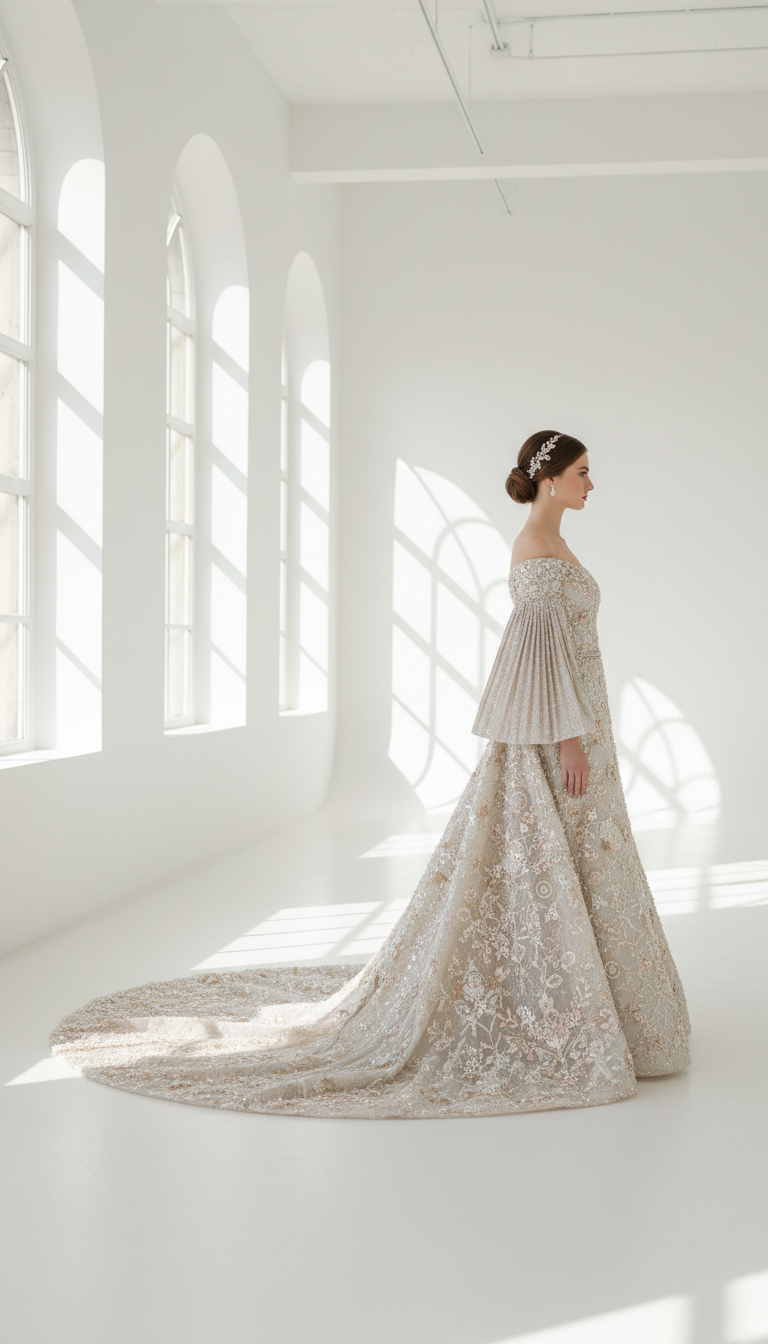
The process begins with a thorough initial consultation. During this phase, the dress is assessed for its condition, fabric quality, and design potential. The client's vision for the dress is discussed, taking into account any specific alterations or enhancements they desire. This stage is critical in determining the scope of the project and setting realistic expectations.
Once the assessment is complete, a plan is devised to address the dress's needs. This may include repairs, resizing, or even redesigning sections of the dress. The goal is to maintain the unique characteristics of the vintage garment while ensuring it meets the client's preferences.
Tailoring Techniques
Expert tailoring is essential in transforming a vintage wedding dress. The tailor must be adept at working with delicate fabrics and intricate designs. Common techniques include:
- Resizing: Adjusting the dress to fit the bride's measurements perfectly.
- Restyling: Updating the dress's design to incorporate modern elements.
- Detailing: Enhancing features such as lacework, beading, or embroidery.
Reweaving and Fabric Restoration
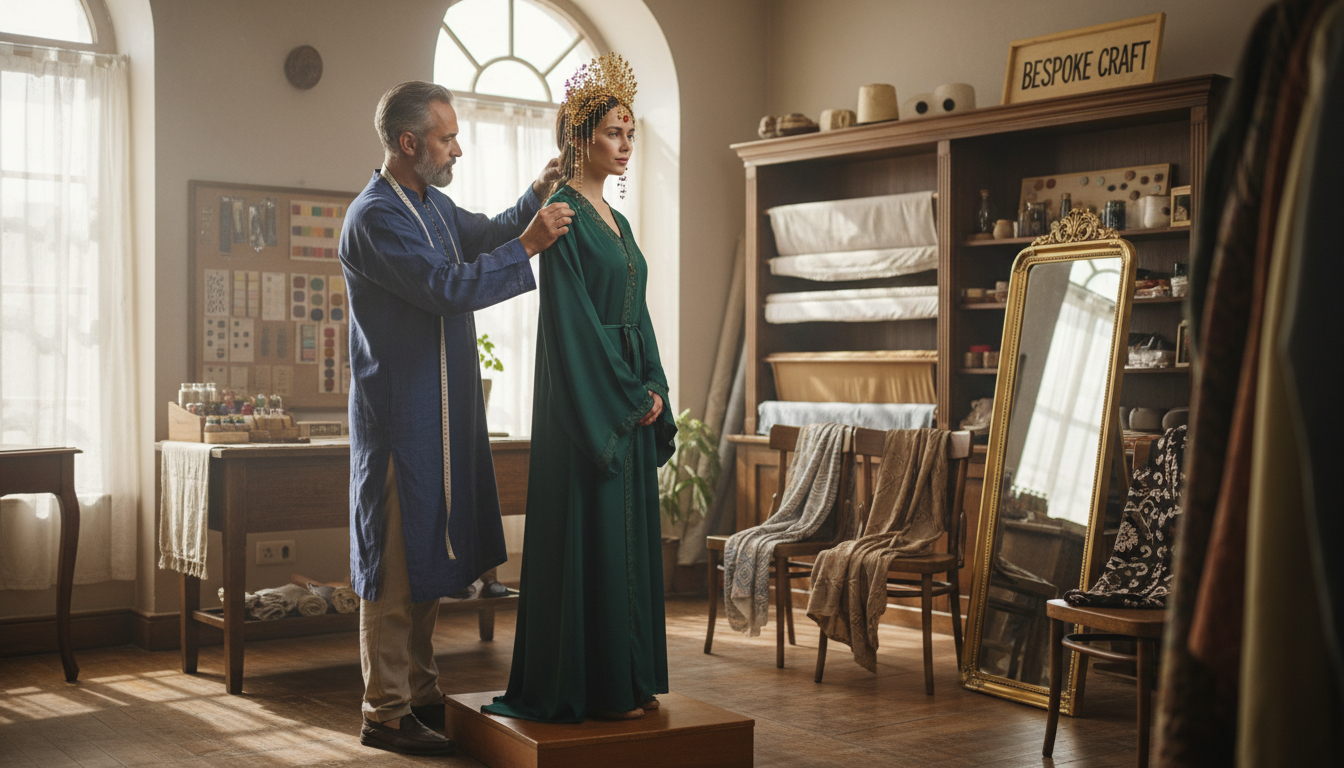
Reweaving is another critical component of the transformation process. This technique involves repairing any damaged areas of the fabric, ensuring that the dress looks as good as new. Skilled artisans use specialized tools to weave new threads into the original fabric, seamlessly integrating any repairs.
Fabric restoration also plays a significant role. Over time, vintage dresses may suffer from discoloration or fabric degradation. Through careful cleaning and restoration techniques, the original vibrancy and texture of the fabric can be revived, contributing to the overall transformation.
The Final Fitting
The final fitting is the culmination of the transformation process. During this stage, any last-minute adjustments are made to ensure the dress fits the bride flawlessly. This is an exciting moment, as the bride gets to see the full effect of the transformation.
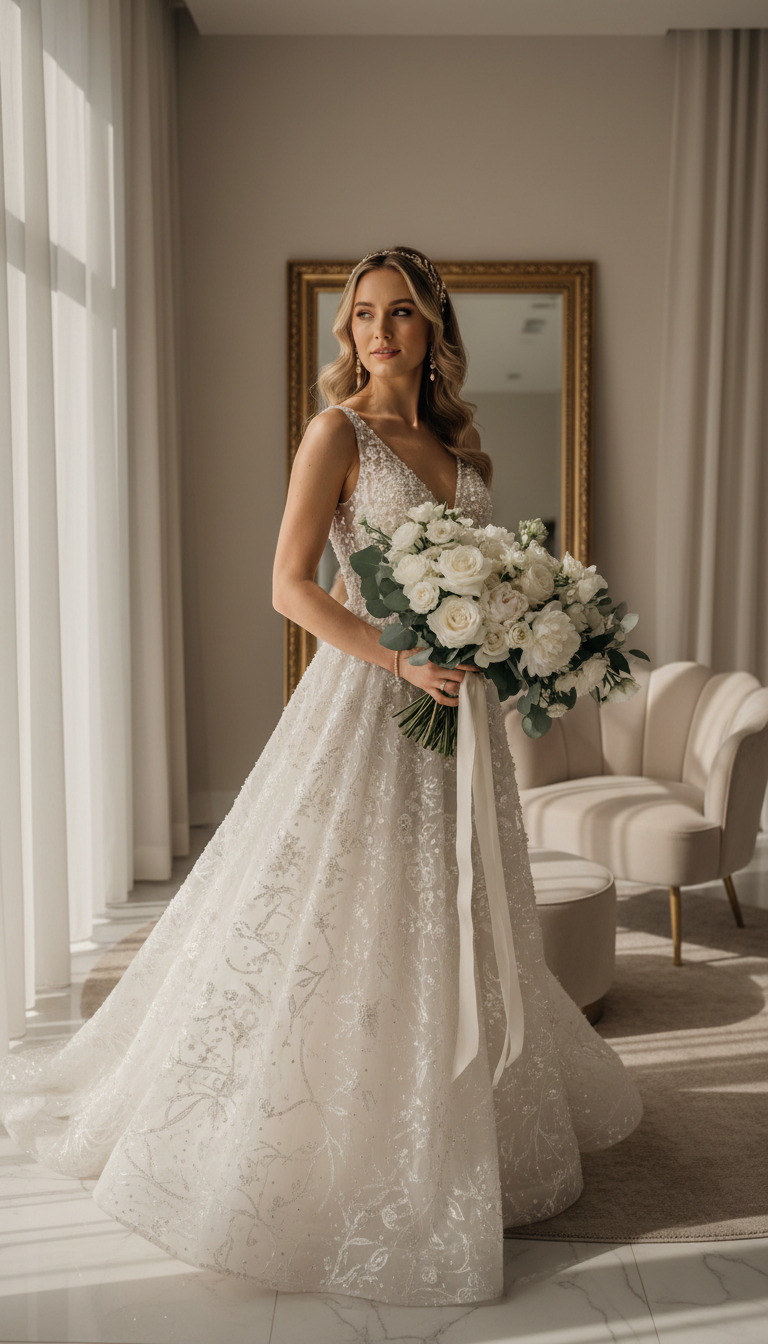
The tailored and reweaved dress not only looks stunning but also carries the sentimental value of the original garment. It is now a unique piece that combines the best of both worlds – the nostalgia of a vintage dress with the sophistication of contemporary fashion.
Conclusion: A New Life for Vintage Dresses
Transforming vintage wedding dresses through tailoring and reweaving is a testament to the enduring appeal of these garments. It allows brides to wear a piece of history while expressing their individual style. The process is a blend of art and craftsmanship, resulting in a dress that is both beautiful and meaningful.
As more brides choose to embrace sustainability and uniqueness in their wedding attire, the demand for vintage dress transformations is likely to grow. This case study illustrates how skilled professionals can breathe new life into cherished garments, ensuring they continue to be part of memorable celebrations for generations to come.