Restoring Vintage Clothing: Expert Tips from AB Tailoring
Understanding Vintage Fabric
Restoring vintage clothing is a delicate art, and the first step is understanding the fabric you're working with. Vintage garments often consist of materials like silk, wool, and cotton, which require specific care. It's crucial to identify the fabric type to determine the appropriate restoration techniques.
Before you begin any restoration process, inspect the garment for any labels or tags that provide fabric information. If these are missing, a simple burn test on a small, hidden area can help identify the material. Always handle vintage fabrics with care, as they can be more fragile than modern materials.
Cleaning Vintage Clothing
Cleaning is a pivotal step in the restoration process. Many vintage garments cannot withstand modern washing machines. Hand washing is typically the safest method. Use a gentle detergent specifically designed for delicate fabrics and cold water to prevent any damage.
For stains, spot cleaning is recommended. Dab the affected area gently with a soft cloth and a mixture of water and vinegar or a specialized stain remover. Test any cleaning solution on a hidden area first to ensure it won't harm the fabric.
Repairing Damage
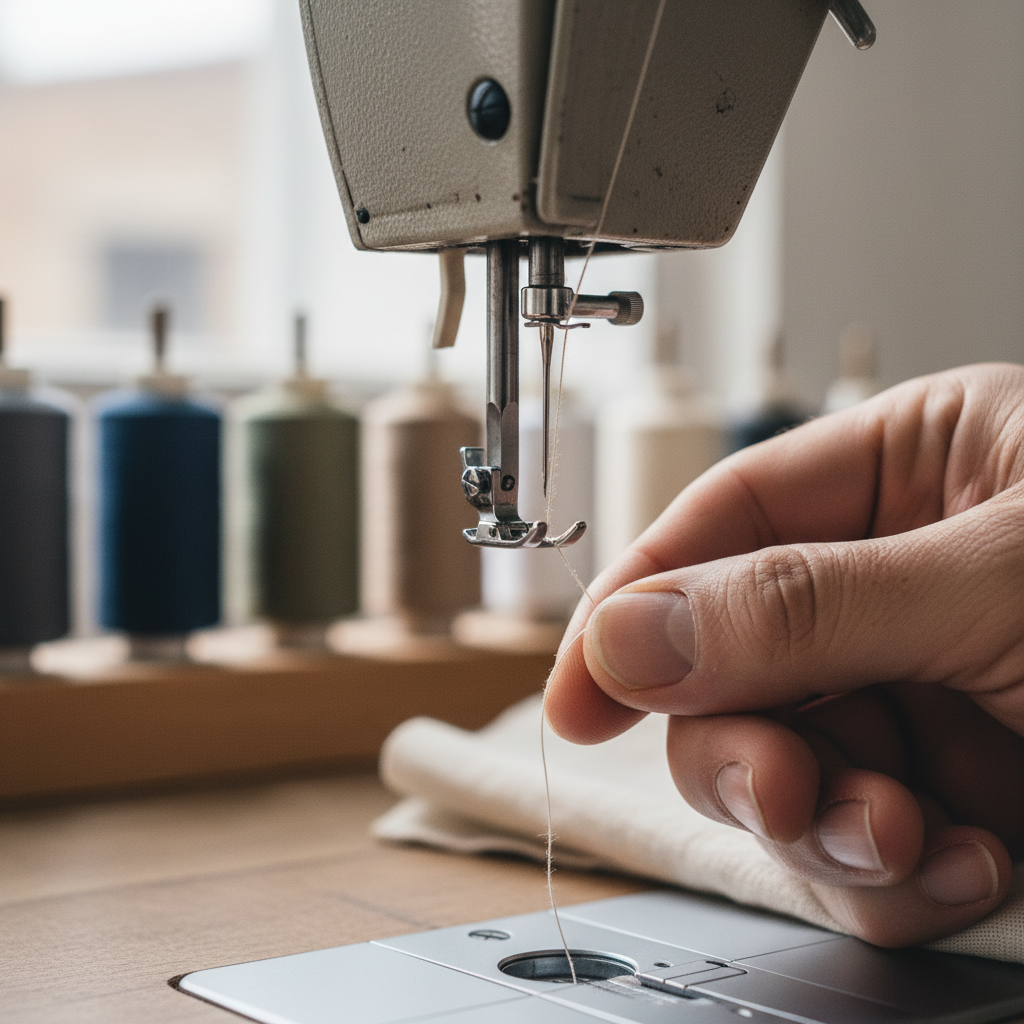
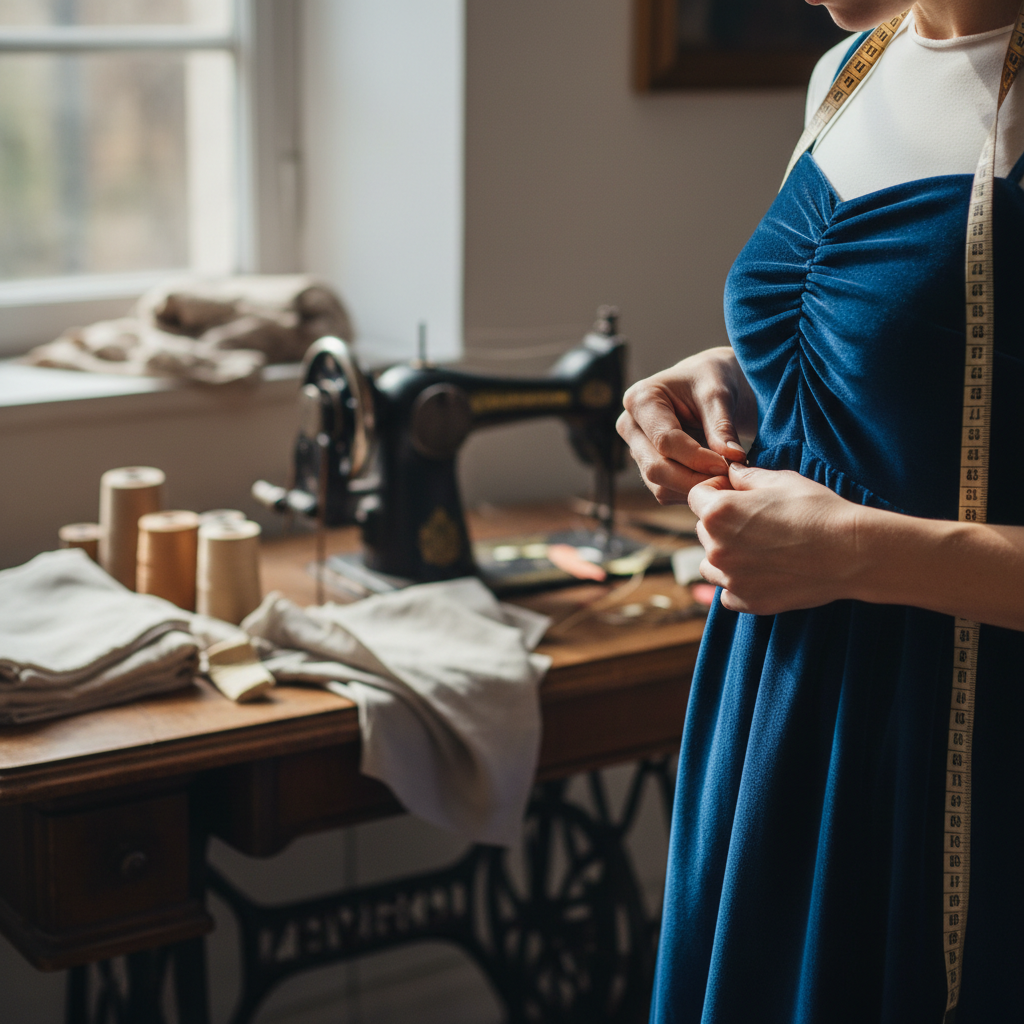
After cleaning, assess the garment for any damage such as tears or missing buttons. Small holes can often be mended with a needle and thread that matches the garment. For more significant repairs, consider consulting a professional tailor who specializes in vintage clothing.
Replacing buttons or fastenings can also enhance the garment’s appearance. Look for vintage or replica buttons that match the era of the clothing to maintain its authenticity. Sewing shops or online retailers can be good sources for these items.
Storing Vintage Clothing
Proper storage is essential to preserve vintage clothing. Store garments in a cool, dry place away from direct sunlight to prevent fading and deterioration. Hanging garments can cause them to stretch or distort over time, so folding them with acid-free tissue paper is often preferable.
If hanging is necessary, use padded hangers to help maintain the garment's shape. Covering garments with breathable garment bags can also protect them from dust and pests.

Expert Advice from AB Tailoring
At AB Tailoring, we specialize in the restoration of vintage clothing. Our team of experts is dedicated to preserving the beauty and integrity of each piece. We understand that every garment is unique and requires personalized care.
Whether you need assistance with cleaning, repairing, or storing your vintage treasures, our professionals are here to help. We take pride in using techniques that honor the original craftsmanship of each garment.
Conclusion
Restoring vintage clothing is a rewarding endeavor that allows you to preserve a piece of history. By understanding the fabric, carefully cleaning and repairing the garment, and storing it properly, you can ensure its longevity.
For those who need guidance or professional assistance, AB Tailoring offers expert services to help you keep your vintage clothing in pristine condition. Embrace the charm of vintage fashion and give your garments the care they deserve.